Special Sessions

RadarConf 2027

Special Session Details

Special Session 1

Advanced Topics in Automotive Radar

Millimeter-wave (mmWave) automotive radars are a key sensing modality for environmental perception in both assisted and autonomous driving. There has also been recent interest in automotive in-cabin monitoring using radars. This session will focus on advanced signal processing topics in automotive radars covering topics of current interest such as: Interference mitigation, angle resolution, modulation schemes, AI for automotive radars, in-cabin monitoring.

Read MoreRead Less

Session Organizer(s)

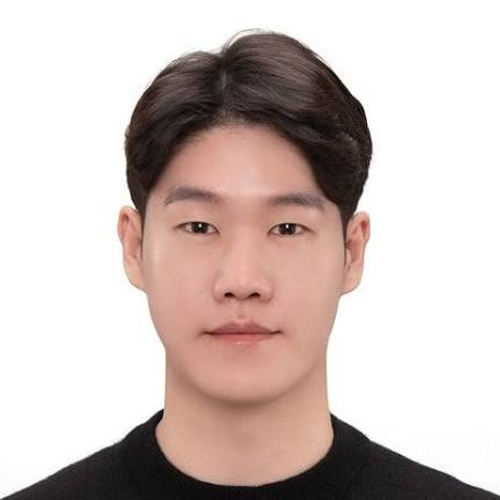
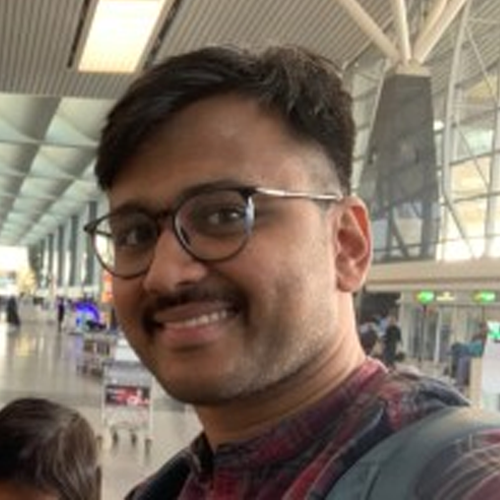
Sandeep Rao, Texas Instruments, Nishant Mehrotra, Indian Institute of Science, Shunqiao Sun, University of Alabama

Session organizer photograph

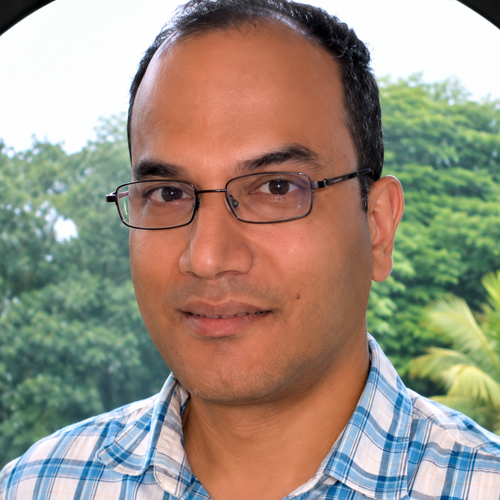
Sandeep Rao is with Texas Instruments (TI) where he leads an R&D group on radar signal processing. He has been with the radar program at TI since its inception – being involved in the development of the first generation of integrated CMOS radars. His research group works on signal processing algorithms related to Automotive and Industrial Radar (including interference mitigation, angle estimation, signal compression and problems at the intersection of radar signal processing and Machine Learning). He has 30 granted patents (and an additional 20+ pending), in the field of mmWave sensing and GNSS. He has been active in IEEE conferences having co-organized 3 special sessions on Automotive Radar (IEEE Radar Conference 2021,2022,2023, ICASSP 2025) and co-presented a short course on RF sensing and AI at ICASSP 2024.

Session organizer photograph

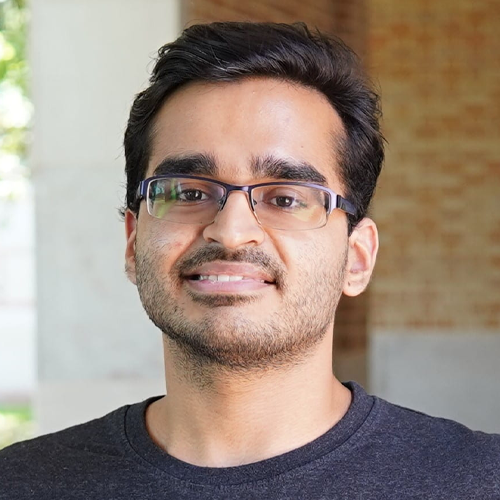
Nishant Mehrotra is an Assistant Professor in the Electrical Communication Engineering (ECE) Department at the Indian Institute of Science (IISc), Bengaluru, India. He was a Postdoctoral Associate at Duke University, Durham, NC, USA prior to joining IISc. He received the Ph.D. and M.S. degrees in Electrical and Computer Engineering from Rice University, Houston, TX, USA in 2024 and 2020 respectively, and the B.Tech. degree (with honors) in Electronics and Electrical Communication Engineering from the Indian Institute of Technology (IIT), Kharagpur, India in 2018. His research interests include radar sensing, integrated sensing and communication, and next-generation wireless systems.

Session organizer photograph

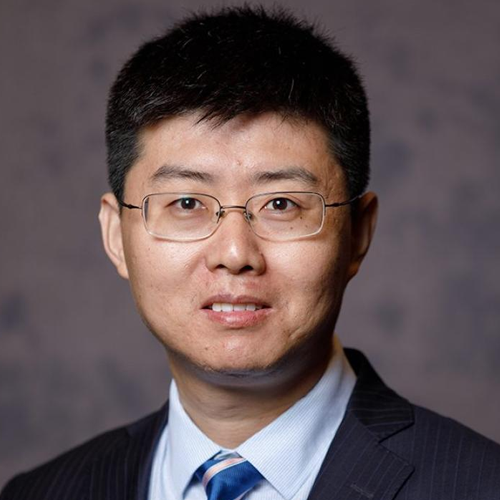
Shunqiao Sun received the Ph.D. degree in electrical and computer engineering from Rutgers, The State University of New Jersey, New Brunswick, NJ, USA, in 2016. He is currently an Associate Professor with the Department of Electrical and Computer Engineering at The University of Alabama, which he joined in 2019. From 2016 to 2019, he was a Radar Signal Processing Engineer with Aptiv, Agoura Hills, CA, USA, where he led the development of direction-of-arrival estimation techniques deployed in more than 120 million production vehicles. His research lies at the intersection of RF sensing systems, array and statistical signal processing, and physics-guided machine learning, with applications to automotive radar and autonomous systems. He received the NSF CAREER Award in 2024, the NSF CRII Award in 2022, and the 2016 IEEE AESS Robert T. Hill Best Dissertation Award. He chairs the IEEE SPS Autonomous Systems Initiative for 2026 to 2027. He is a Senior Member of IEEE

Special Session 2

Radar Technologies for Counter-UAS Systems: Detection, Tracking, Classification and Defeat of Emerging Drone Threats

The rapid proliferation of commercial, autonomous and swarm-capable unmanned aerial systems (UAS) is creating unprecedented challenges for civil security, critical infrastructure protection and defense applications. Emerging threats include low-observable micro-UAVs, autonomous GNSS-denied platforms, cooperative drone swarms and highly dynamic low-altitude attack scenarios.

Read MoreRead Less

Radar remains a key enabling technology for counter-UAS systems; however, reliable detection and classification of low, slow and small targets in cluttered environments continues to require significant advances in sensing, signal processing, sensor fusion and system architectures. Current research focuses on cost-efficient distributed radar networks, AI-supported target classification, micro-Doppler exploitation, multi-static and MIMO radar systems, radar-based friend-or-foe identification, cooperative sensing and the integration of radar into complete kill-chain architectures. Recent developments in harmonic radar, networked radar clusters, edge-AI processing and digital twins are opening new opportunities for scalable and resilient counter-drone solutions. The proposed Special Session invites contributions addressing theoretical advances, experimental studies, system demonstrations and operational lessons learned related to radar technologies for present and future counter-UAS applications.

Session Organizer(s)

Prof. Dr. Peter Knott, Fraunhofer Institute for High Frequency Physics and Radar Techniques FHR (formerly FGAN e.V.)

Session organizer photograph

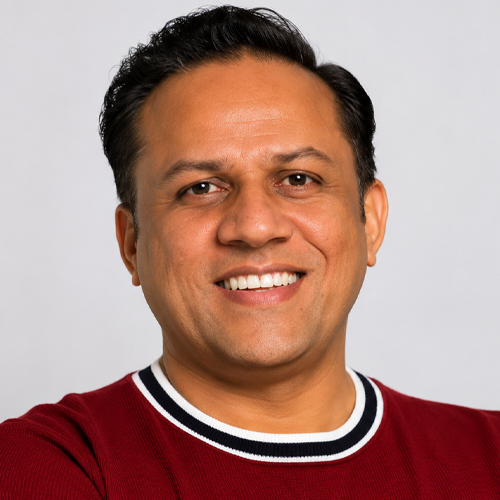
In 1994, Prof. Dr. Peter Knott joined the Fraunhofer Institute for High Frequency Physics and Radar Techniques FHR (formerly FGAN e.V.) in Wachtberg, Germany. From 2005 until 2016 he was head of the Department Antenna Technology and Electromagnetic Modelling (AEM), where the focus of his work was design and development of antenna arrays and active antenna front-ends as well as electromagnetic modelling and beamforming methods for conformal antenna arrays. Since 2016, he is Executive Director of the institute Fraunhofer FHR. He is currently holding a professorship of Radar Systems Engineering at RWTH Aachen University and lecturer at different other organisations. He was Chair of the International Radar Symposium (IRS) from 2018 to 2025, Co-Chair of the 14th European Radar Conference (EuRAD) in Nuremberg in 2017. From 2014 to 2019, he was also Chairman of the Executive Committee of the IEEE MTT/AP Joint Chapter, Chairman of the VDE/ITG Technical Committee HF4 "Localisation" and a member of the Scientific Advisory Board of the German Society for Localisation and Navigation (DGON) e.V. As part of his scientific activities, Prof. Knott has published numerous papers in scientific journals and at conferences, including several patents. He is also currently an expert for AESA Radar on the Sensors and Electronics Technology (SET) Panels of the NATO Science and Technology Organisation (STO) and a member of the Advisory Board Brussels of the German Defence Technology Society (DWT).

Special Session 3

ISAC: From Sensing Inference to Resource Management

Integrated Sensing and Communication (ISAC) brings sensing and communication functions together within shared systems, creating research challenges across signal processing, waveform and beam design, resource allocation, spectrum use, and hardware. Its relevance extends beyond conventional 6G use cases to land-, air-, and space-based systems, distributed sensing networks, and other settings where sensing and communication must operate together. This special session will present sensing-centered approaches to ISAC, with a focus on detection, parameter estimation, resource allocation, and joint system design. The work spans deadline-constrained sensing and communication scheduling; near-field, RIS-aided, and wideband beamforming; OTFS- and OFDM-based parameter estimation; and the use of radar inferences for communication channel estimation. Together, these contributions connect established sensing and signal-processing problems with emerging integrated system designs and examine how sensing requirements can shape ISAC algorithms and architectures.

Read MoreRead Less

Session Organizer(s): Dr. M. R. Bhavani Shankar and Kunwar Pritiraj Rajput, SnT, University of Luxembourg

Session organizer photograph

M. R. Bhavani Shankar received Masters and Ph. D in Electrical Communication Engineering from Indian Institute of Science, Bangalore in 2000 and 2007 respectively. He was a Post Doc at the ACCESS Linnaeus Centre, Signal Processing Lab, Royal Institute of Technology (KTH), Sweden from 2007 to September 2009. He joined SnT in October 2009 as a Research Associate and is currently a Senior Research Scientist/ Assistant Professor at SnT leading the Radar Signal Processing activities. He was with Beceem Communications, Bangalore from 2006 to 2007 as a Staff Design Engineer working on Physical Layer algorithms for WiMAX compliant chipsets. He was a visiting student at the Communication Theory Group, ETH Zurich, headed by Prof. Helmut Bölcskei during 2004. Prior to joining Ph. D, he worked on Audio Coding algorithms in Sasken Communications, Bangalore as a Design Engineer from 2000 to 2001. He is currently the Chair of the IEEE Benelux joint chapter on communications and vehicular technology, serves as associate editor for IEEE TAES and is a member of the IEEE SPS SAM Technical Committee. He was a co-recipient of the 2014 Distinguished Contributions to Satellite Communications Award, from the Satellite and Space Communications Technical Committee of the IEEE Communications Society and co-author of the paper that received Special Mention for the Barry Carlton best paper award by IEEE TAES in 2023.

Session organizer photograph

Kunwar Pritiraj Rajput received his Ph.D. in Signal Processing and Communication from the Electrical Engineering department Indian Institute of Technology (IIT) Kanpur. He is currently working as a research associate at the Interdisciplinary Centre for Security, Reliability and Trust (SnT), University of Luxembourg. His research interests span cognitive and metacognitive radar, learning-based adaptive sensing, sparse signal estimation and tracking, RIS-aided joint beamforming, energy-efficient terahertz massive-MIMO systems, and AFDM-based integrated sensing and communication. During his doctoral studies at IIT Kanpur, he received the Best Teaching Assistant Award for the 5G Wireless Communication course and served as Vice Chair of the IEEE Signal Processing Society Student Chapter in the Department of Electrical Engineering. He was a finalist for the Qualcomm Innovation Fellowship in 2022 and received the Best Reviewer Award from IEEE Communications Letters for his contributions to the peer-review process. He is a Senior Member of IEEE.

Special Session 4

Cognitive Radar

Cognitive fully adaptive radar offers adaptivity across all degrees of freedom (transmit and receive) to provide enhanced target detection, estimation, and tracking performance.

Read MoreRead Less

Session Organizer: Dr. Sandeep Gogineni, Information Systems Laboratories Inc., USA

Session organizer photograph

Dr. Sandeep Gogineni has over 20 years of experience working on radar and wireless communications systems. He worked for 6 years as an on-site contractor for Air Force Research Laboratory (AFRL), developing novel signal processing algorithms and Performance analysis for passive radar systems. He received the 2018 IEEE Dayton Section Aerospace and Electronics Systems Society Award for these contributions to passive radar signal processing. Prior to his time at AFRL, during his graduate studies at Washington University in St. Louis, Dr. Gogineni developed optimal waveform design techniques for adaptive MIMO radar systems and demonstrated improved target detection and estimation performance. This work was recognized with the Best Student Paper Award at the 2012 International Waveform Diversity & Design Conference (WDD). At Information Systems Laboratories Inc., Dr. Gogineni has been working as a senior scientist on developing state-of-the-art high-fidelity RF modeling and simulation tools, channel estimation algorithms and optimal probing strategies for MIMO radar systems in the context of Cognitive Fully Adaptive Radar (CoFAR). He has also developed AI/ML based solutions for complex RF Electronic Warfare (EW) applications and implemented them on low C-SWaP neuromorphic hardware. He is a recipient of the 2025 IEEE AESS Industrial Innovation Award. Dr. Gogineni is currently serving as an IEEE AESS Distinguished Lecturer along with serving as an Associate Editor for IEEE Transactions on Aerospace and Electronic Systems. His expertise includes statistical signal processing, modeling and simulation, detection and estimation theory, machine learning, artificial intelligence, performance analysis, and optimization techniques with applications to cognitive radar and EW systems.

Special Session 5

Advances in Polarimetric Radar: Signal Processing, Imaging, and Applications

Polarization diversity provides an additional sensing dimension that can significantly enhance clutter characterization and suppression, target detection and discrimination, scattering interpretation, imaging, and environmental parameter retrieval across a broad range of radar systems. This special session brings together recent advances in polarimetric radar processing spanning array radar, passive and bistatic radar, SAR, ISAR, STAP, and interferometric imaging. Full polarimetry provides the most complete characterization of target and scene scattering, while dual- and compact/hybrid-polarimetric configurations offer practical trade-offs among polarimetric information, coverage, acquisition efficiency, system complexity, and data volume. The increasing availability of polarimetric observations from NISAR and Sentinel-1 for Earth observation and Chandrayaan-2 DFSAR for planetary exploration makes the development of advanced polarimetric processing particularly timely. In parallel, emerging applications of polarization diversity in ISAR, passive radar, space surveillance, and defence sensing are extending polarimetric processing beyond conventional remote sensing. The session welcomes contributions on polarimetric calibration and decomposition, clutter suppression and STAP, reconstruction of missing polarization channels, AI/ML-assisted processing, target detection and ATR, interferometric and 3-D imaging, passive and array radar processing, and Earth and planetary remote sensing. Contributions using full-, dual-, or compact/hybrid-polarimetric configurations and covering theory, simulation, experimental systems, and operational sensor data are encouraged.

Read MoreRead Less

Session Organizer: Dr. Ajeet Kumar, CNIT Italy

Session organizer photograph

Ajeet Kumar is a Permanent Researcher at the Radar and Surveillance Systems (RaSS) National Laboratory, CNIT, Pisa, Italy. He received his PhD in RF and Microwave Engineering from the Indian Institute of Technology (IIT) Roorkee, India, in 2019. From 2014 to 2017, he served as a Research Fellow on ISRO’s RISAT-1 mission and later worked as a Postdoctoral Research Associate on the Chandrayaan-2 mission. In 2021, he joined RaSS-CNIT as a researcher, and his position was converted to permanent in October 2023. He has contributed to several international research projects, including the Office of Naval Research Global (U.S. Navy)-sponsored project on Automatic Target Recognition (ATR) using Polarimetric Interferometric ISAR and the ESA EO4SECURITY project for environmental crime monitoring. His research interests include polarimetric SAR, hybrid-polarimetric SAR, interferometric SAR, inverse SAR, and advanced radar signal-processing applications. Dr. Kumar has authored more than 20 SCI-indexed journal papers and numerous international conference publications. He has been honoured twice with the URSI Young Scientist Award, in 2022 and 2024. He has chaired several technical sessions at major international conferences, including the IEEE International Radar Conference (RADAR 2024, Rennes, France), URSI AP-RASC 2024 (Gran Canaria, Spain), and URSI AT-RASC 2025 (Sydney, Australia). Dr. Kumar serves as an Associate Editor for the IEEE Transactions on Aerospace and Electronic Systems (TAES) and AGU Radio Science. He is also an active member of the IEEE Synthetic Aperture Technical Working Group (IEEE SA-TWG) and serves as Secretary of the IEEE P3355 Synthetic Aperture Radar Working Group.

Special Session 6

Automative Radar

Automotive radar has become a key sensing technology for modern vehicles, supporting applications such as blind-spot detection, adaptive cruise control, collision avoidance, and other advanced driver-assistance and safety functions. Radar is also a fundamental sensing modality for autonomous vehicles, owing to its ability to provide accurate range and velocity measurements while maintaining robust operation under varying illumination and weather conditions. Recent advances in RF CMOS technology have further enabled highly integrated radar-on-chip solutions, reducing cost, size, and power consumption and thereby facilitating large-scale deployment in production vehicles. Despite these advances, the increasing number and density of radar sensors in vehicles and on the road introduce new challenges that must be addressed to fully exploit the potential of automotive radar. This Special Session will focus on emerging technologies, signal processing methods, and system concepts that address these challenges and enable the next generation of automotive radar systems. The Special Session will bring together researchers and industry experts to present recent advances, exchange perspectives on open technical challenges, and discuss emerging directions in automotive radar. The session will cover a broad range of topics, including radar system concepts and architectures, antenna and RF technologies, signal processing, interference mitigation, high-resolution sensing, radar perception, machine learning, and emerging automotive applications. By bringing together these complementary perspectives, the session aims to highlight the key research challenges and technological opportunities shaping the future of automotive radar.

Read MoreRead Less

Session Organizer(s): Prof. Igal Bilik, Ben-Gurion University, Israel, Dr. Shobha Sundar Ram, UCL, UK

Session organizer photograph

Prof. Igal Bilik received B.Sc., M.Sc., and Ph.D. degrees in electrical and computer engineering from Ben-Gurion University of the Negev, Beer Sheva, Israel, in 1997, 2003, and 2006, respectively. Between 2006 and 2008, he served as a postdoctoral research associate in the Department of Electrical and Computer Engineering at Duke University, Durham, NC. Between 2008 and 2011, he served as an Assistant Professor in the Department of Electrical and Computer Engineering at the University of Massachusetts, Dartmouth. Between 2011 and 2019, he served as a Staff Researcher at the GM Advanced Technical Center in Israel, leading the development of automotive radar technology. Between 2019 and 2020, he led the Smart Sensing and Vision Group at GM R&D, where he was responsible for developing state-of-the-art automotive radar, lidar, and computer vision technologies. Since 2020, Prof. Bilik has been an Associate Professor in the School of Electrical and Computer Engineering at Ben-Gurion University of the Negev. Since 2020, he has been a member of the IEEE AESS Radar Systems Panel Committee and a chair of the Civilian Radar Committee. Prof. Bilik is an Acting Officer of the IEEE Vehicular Technology Chapter in Israel and chairs the Autonomous and Connected Transportation Committee at the Israeli Center for Smart Mobility Research. He has served as an Associate Editor (AE) and Senior Editor (SE) for the IEEE Transactions on Aerospace and Electronic Systems since 2020. He is currently the Thematic Area Editor-in-Chief (TAEiC) for these transactions. He has been an AE of the IEEE Sensors and IEEE TRS since 2022 and a Member of the Transactions on Radar Systems Editorial Committee. Prof. Bilik has more than 240 patent inventions, authored more than 100 peer-reviewed academic publications, received the Best Student Paper Awards at IEEE RADAR 2005 and IEEE RADAR 2006 Conferences, the Student Paper Award in the 2006 IEEE 24th Convention of Electrical and Electronics Engineers in Israel, the GM Product Excellence Recognition in 2017, and the IEEE AESS Industrial Innovation Award 2024. Prof. Bilik is a Distinguished Lecturer of AESS for 2025-2026 and an IEEE Fellow 2026.

Session organizer photograph

Dr. Shobha Sundar Ram did her Bachelor of Technology in ECE from the University of Madras, India, in 2004, Master of Science and Ph.D. in electrical engineering from the University of Texas at Austin, USA, in 2006 and 2009, respectively. She currently serves as an Associate Professor at UCL, Dept. of Electronic and Electrical Engineering where she is primarily engaged in research and education, principally in the areas of radar systems and electromagnetic sensor design and modelling. She serves as an Associate Editor for the IEEE Transactions on Aerospace and Electronics Systems, IEEE Transactions on Radar Systems, and is a Guest Editor for IEEE Transactions on Computational Imaging. She has served as a Guest Editor for IET Radar, Sonar, and Navigation and Topics Editor for Frontiers of Signal Processing. She served as the Secretary of the IEEE Microwave Theory and Techniques Society (MTT-S) in 2025. She is Chair of the Young Professionals Standing Committee under the MTT-S Administrative Committee and member of the Administrative Committee of IEEE MTT-S in 2026. She is a member of the following technical committees: the Radar System Panel of the IEEE Aerospace and Electronics Systems Society (AESS), the Microwave/mm-Wave Radar, Sensing and Array Systems Technical Committee -24 of MTT-S, and the Sensor Array and Multichannel (SAM) Technical Committee of the IEEE Signal Processing Society (SPS). She is also a member of the following working groups: the Integrated Sensing and Communications Working Groups of MTT-S and AESS, and the Synthetic Aperture Working Group of SPS. She has served in the Technical Program Committee of several international conferences and was the Technical Program Committee Co-Chair of the IEEE Microwave, Antennas, and Propagation Conference (MAPCON) in 2024. She has won several student paper awards for co-authored works in the USA, Europe, and India, and the Qualcomm Innovation Fellowship India award for 2022 and 2024. She won the "IETE-lRSl (83) Main Award" for the year 2026, in recognition of her contributions to the development of advanced technologies by combining electromagnetic science, signal processing, and practical hardware systems for important defense and commercial applications.

Special Session 7

Distributed Radar Imaging

The widespread use of synthetic apertures in signal acquisition and reconstruction—spanning diverse geophysical domains, from the depths of the oceans to the upper reaches of the Earth’s atmosphere—has enabled unprecedented information-gathering capabilities. This, coupled with advances over the past several decades in computational capabilities and artificial intelligence/machine learning (AI/ML), has opened the door to novel algorithmic and system-level concepts for distributed radar imaging. This special session is devoted to promising technological trends in the emerging area of distributed radar imaging. The featured papers span a broad spectrum, from novel theoretical analyses and algorithmic structures to system-level concepts needed to realize distributed radar imaging across a variety of applications in geoscience, remote sensing, and radar signal processing. Applications of interest include, but are not limited to, the detection, imaging, tracking, and classification of targets and scenes using distributed sensing platforms, as well as subsurface mapping, seismic signal processing, earthquake prediction, weather radar, maritime surveillance, and environmental monitoring for agriculture and water-resource management.

Read MoreRead Less

Session Organizer: Raghu G Raj, U S Naval Research Laboratory, USA

Raghu G. Raj (Senior Member, IEEE) received the Ph.D. degree in Electrical Engineering from The University of Texas at Austin in 2007; and his undergraduate degrees in Computer Science and Electrical Engineering from Washington University in St. Louis. He is currently a Senior Research Scientist and the Head of Radar Imaging and Target ID Section, Radar Division, U.S. Naval Research Laboratory (NRL), Washington DC, USA, where he leads the research and development of advanced methods in radar imaging, detection, and target identification with applications to various U.S. DoW funded programs. He has more than 90 publications in various international journals, conferences, and technical reports. Dr. Raj is a recipient of two NRL Alan Berman Publication Awards. His research interests span various signal/image processing, machine learning, electromagnetics and inverse problems in radar and remote sensing. Dr. Raj is member of IEEE Applied Signal Processing Systems (ASPS) Technical Committee; served as the Technical Chair of the 2025 IEEE SPS Seasonal School on Synthetic Aperture Imaging for Radar, Sonar, and Optics (Delhi, India); was a Lead Editor of the Special Issue Proposal for IEEE Journal of Selected Topics in Applied Earth Observations and Remote Sensing (JSTARS) “Multistatic and Distributed Synthetic Apertures for Geoscience and Remote Sensing,"; a Session chair and organizer of “Recent Advances in Synthetic Aperture Radars for Geosciences and Remote Sensing” in IEEE Geoscience and Remote Sensing Symposium 2023; and has given plenary talk in various international conferences. Dr. Raj currently serves as an Associate Editor of the IEEE Transactions on Aerospace and Electronic Systems, IEEE Signal Processing Letters, IEEE Transactions on Computational Imaging, and URSI Radio Science Letters. Dr. Raj serves as the Co-Chair of the IEEE SPS SAR Standardization Committee, and is the Vice President of the URSI Commission C. He holds nine U.S. patents.

Special Session 8

Intelligent RF Sensing in Shared Spectrum: Learning, Time-Frequency Analysis, and Coexistence

Rapid proliferation of wireless RF systems and growing spectrum congestion have created a pressing need for intelligent sensing solutions that can operate alongside modern communication and sensing infrastructure. Concurrently, the rise of artificial intelligence and machine learning is fundamentally reshaping RF signal processing, enabling radar systems to extract richer information from complex, interference-prone environments that traditional model-based methods struggle to handle. This special session addresses the emerging paradigm of Integrated Sensing and Communication (ISAC) at the intersection of three tightly coupled themes: learning-based RF signal processing, time-frequency analysis for target characterization, and system design for spectrum coexistence. Contributions span both theoretical frameworks and experimental demonstrations, covering micro-Doppler extraction and learning-based classification from 5G ISAC signals validated on a software-defined radio platform, reconfigurable intelligent surface (RIS)-aided ISAC with coexistence constraints and beam index modulation, aerial RIS placement optimization in ISAC systems with aspect-dependent targets, and near-field ISAC beamforming design. Together, these papers advance the state of the art in intelligent radar-communication co-design and offer complementary perspectives from signal-level sensing and machine learning to system-level beamforming and resource optimization on building the next generation of spectrum-aware, AI-empowered RF sensing systems.

Read MoreRead Less

Session Organizer(S): Fauzia Ahmad, Temple University, USA and Ali C. Gurbuz North Carolina State University, USA

Session organizer photograph

Fauzia Ahmad received her Ph.D. degree in Electrical Engineering in 1997 from the University of Pennsylvania, USA. Currently, she is an Associate Professor in the Electrical and Computer Engineering Department, Temple University, Philadelphia. Dr. Ahmad's research interests lie in the areas of array and statistical signal processing, computational imaging, compressive sensing, and machine learning, with applications in radar, underwater acoustics, and ultrasonics. She has eleven book chapters and over 290 journal and conference papers in the aforementioned areas. She is the recipient of several awards, including 2014 IEEE M. Barry Carlton Award, 2016 IEEE Harry Rowe Mimno Award, and 2016 IET Premier Award. Dr. Ahmad is a Fellow of the IEEE and a Fellow of the SPIE. She served as the Chair of the IEEE Dennis J. Picard Medal for Radar Technologies and Applications Committee (2020-2022); Member of the IEEE Aerospace and Electronic Systems Society (AESS) Fellows Evaluation Committee (2022-2024); Elected member of the Radar Systems Panel of the IEEE AESS (2014-2020); Elected Member of the Sensor Array and Multichannel (SAM) Technical Committee of the IEEE Signal Processing Society (SPS) (2015-2021); Elected Member of the Computational Imaging Technical Committee of the IEEE SPS (2018-2023); and Chair of the IEEE AESS Philadelphia Chapter (2014-2024). She currently is a member of the Franklin Institute Committee on Science and the Arts.

Session organizer photograph

Ali C. Gurbuz is an Associate Professor in the Department of Electrical and Computer Engineering at North Carolina State University, where he directs the Information Processing and Sensing (IMPRESS) Lab. He received his B.S. in electrical engineering from Bilkent University, Ankara, Turkey, and his M.S. and Ph.D. degrees in electrical and computer engineering from the Georgia Institute of Technology, USA in 2005 and 2008 respectively. Dr. Gurbuz’s research integrates signal processing and machine learning for radar, remote sensing and wireless communication applications. Current interests include learning driven sensing applications, physics-aware and explainable machine learning, learning-based computational imaging, integrated sensing and communication, radar/communication coexistence, sparse signal processing and compressive sensing, passive radar and sensing, and UAV-based remote sensing. He has contributed to over 150 journal and conference papers in in the aforementioned areas. He is a Senior Member of the IEEE, a recipient of the NSF CAREER Award (2021), the Turkish Academy of Sciences Best Young Scholar Award, a European Union Marie Curie Fellowship, and several best paper awards.

Special Session 9

AI-Driven Signal Processing Technologies for Next-Generation Intelligent Radar Sensing

Recent advances in artificial intelligence (AI) and radar signal processing are transforming radar systems from conventional detection and estimation platforms into intelligent sensing systems capable of high-resolution perception, robust target recognition, and adaptive environmental understanding. In particular, the integration of model-based signal processing techniques with data-driven learning approaches offers new opportunities to overcome fundamental limitations in resolution, robustness, computational complexity, and real-time operation. This special session aims to bring together researchers and practitioners working on AI-driven radar signal processing technologies for next-generation intelligent radar sensing. The session will highlight emerging approaches that combine classical radar signal processing, statistical estimation, sparse signal reconstruction, and advanced machine learning techniques to improve radar sensing performance under challenging operating conditions. The session will cover theoretical developments, algorithmic innovations, and practical implementations across a broad range of radar applications, including automotive radar, MIMO imaging radar, autonomous systems, aerospace and surveillance radar, and contactless human sensing.Topics of interest include, but are not limited to:

Read MoreRead Less

• AI-driven high-resolution and super-resolution radar signal processing

• Physics-informed deep learning and model-based AI for radar sensing

• Deep unfolding and learning-enhanced sparse signal reconstruction

• Intelligent FMCW, MIMO, and imaging radar signal processing

• AI-assisted target detection, localization, tracking, and classification

• Adaptive radar signal processing in complex and dynamic environments

• Radar imaging, point-cloud processing, and intelligent scene understanding

• Multimodal sensor fusion and radar-based perception

• Robust and efficient AI algorithms for real-time and edge radar systems

• Emerging applications in automotive, aerospace, surveillance, and contactless sensing

The session seeks to foster interdisciplinary discussions and international collaborations between radar signal processing and AI research communities, accelerating the development of reliable, efficient, and intelligent radar sensing technologies.

Session Organizer(S): Sangdong Kim and Jae-Ho Choi Daegu Gyeongbuk Institute of Science and Technology (DGIST), Daegu, South Korea

Session organizer photograph

Sangdong Kim (Senior Member, IEEE) received the B.S. and M.S. degrees in electronics engineering from Hanyang University, South Korea, in 2004 and 2006, respectively, and the Ph.D. degree in electronics engineering from Kyungpook National University, South Korea, in 2018. Since 2006, he has been a Principal Researcher and an Associate Professor (Adj.) with DGIST. From 2015 to 2016, he was a Visiting Scholar with the University of Florida, Gainesville, FL, USA. From 2022 to 2023, he was a Visiting Scholar with The Pennsylvania State University, University Park, PA, USA. His research interests include super-resolution algorithms, automotive radar, and deeplearning method.

Session organizer photograph

Jae-Ho Choi received the B.S. degree in Computer Science and Communication Engineering from Korea University, Seoul, South Korea, in 2017, and M.S. and Ph.D. degree in Electrical Engineering from Pohang University of Science and Technology (POSTECH), Pohang, South Korea, in 2019 and 2023, respectively. In 2023, he joined Stanford University, Stanford, CA, USA, as a Postdoctoral Researcher, where he was involved in mmWave sensing with machine learning and sensor fusion. In 2024, he joined Daegu Gyeongbuk Institute of Science and Technology (DGIST), Daegu, South Korea, where he is now an Assistant Professor at the Department of Electrical Engineering and Computer Science and Department of Interdisciplinary Studies of Artificial Intelligence. His research interests include radar signal processing, machine learning, RF sensing, sensor fusion, and integrated sensing and communication. Dr. Choi was recipient of the Outstanding Doctoral Dissertation Award from POSTECH in 2023.

Special Session 10

Modern Radar Devices, Advanced Front Ends, Transceivers, Metamaterials, Multifunctional Waveforms and other Building Blocks

The rapid evolution of modern radar systems is continuously driven by the imperative demand to improve efficiency, share apertures to induce multifunctional capabilities, and optimize Size, Weight, Power, and Cost (SWaP-C) for multi-platform suitability. Radars engineered with multifunctional capabilities and superior SWaP-C profiles enable significant advantages in terms of deployment on tightly constrained platforms such as Unmanned Aerial Vehicles (UAVs) and advanced Intelligence, Surveillance, and Reconnaissance (ISR) systems where payload capacity and power budgets are severely limited. To meet these stringent operational requirements, a paradigm shift is occurring at the hardware and foundational level of radar engineering, seamlessly bridging semiconductor physics, advanced front-end architectures, novel antenna concepts, and high-performance digital processing. At the core of this hardware revolution lies the unmatched efficiency of Gallium Nitride (GaN) devices, which deliver exceptional power density, thermal efficiency, and wideband performance required for next-generation Active Electronically Scanned Arrays (AESAs). Complementing these solid-state devices are the scalable tile-based architectures that provide modular and compact configurations, allowing phased arrays to be easily scaled as per the platform needs. On the transceiver and processing side, the adoption of high-speed multichannel converters in an RFSoC form factor facilitates direct RF sampling with reduced system complexity, while enabling enhanced Multichannel Digital Beamforming and MIMO features for modern radar systems. These transceivers form the core of software-defined, multifunctional, digital radar systems. Furthermore, the advent of Metamaterial Electronically Scanned Arrays (MESAs) and Reconfigurable Intelligent Surfaces (RIS) introduces unprecedented agility in dynamic wavefront control and aperture performance while significantly reducing the front-end components and overall cost. Augmenting these developments are the Agile Multifunctional (Integrated Sensing and Communication) Waveforms, which unify and repurpose the hardware for both radar and communications. Finally, Adaptive Compute Acceleration Platforms (ACAPs) and advanced High-Performance Embedded Computing (HPEC) processors empower these systems with ultra-low latency, high-throughput signal and data processing. By bringing together leading researchers and practitioners from academia, defense R&D, and industry, this special session aims to showcase breakthrough developments that define the future of multi-mission radar systems. Primary areas of focus include:

Read MoreRead Less

• Wideband GaN front-ends and high-density Transmit/Receive Modules (TRMs)

• Scalable, modular tile-based array configurations

• Direct RF sampling and monolithic software-defined transceivers (RFSoC)

• Metamaterial apertures, MESAs, and Reconfigurable Intelligent Surfaces (RIS)

• Integrated Sensing and Communications (ISAC) waveforms and dynamic resource allocation

• Embedded heterogeneous computing, ACAPs, and real-time digital beamforming implementations

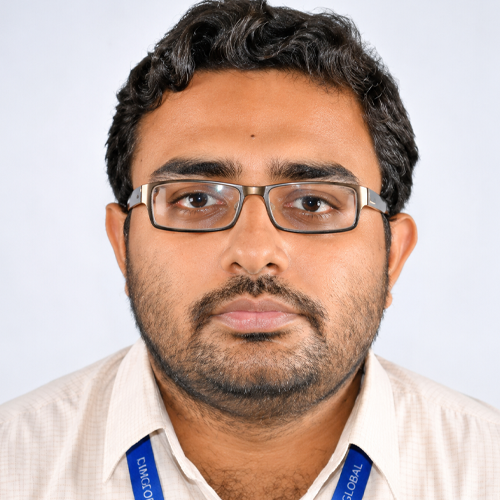
Session Organizer(S): Dr Ramkumar Raghu, CABS, DRDO and Dr. Debdeep Sarkar, IISc

Session organizer photograph

Dr Ramkumar Raghu received his B.Tech. degree in Electronics Engineering from the Indian Institute of Technology (ISM), Dhanbad, in 2009. He completed his M. S (Research) and PhD degrees in Electrical Communication Engineering from the Indian Institute of Science (IISc), Bengaluru, in 2023. He has been working as a Scientist at the Centre for Airborne Systems, DRDO, since 2009. He has developed Communications Systems for IAF’s Netra and has also developed an AESA-based Maritime Patrol Radar for Naval applications. He is currently involved in the design and development of Maritime Surveillance Platforms. He has won several awards including DRDO’s Agni Award, and Technology Group Award. He has several papers in reputed IEEE Conferences and Journals. His research interests include Wireless Communication, Content-Centric Networks, Machine Learning, MIMO systems, AESA Digital Radars and Adaptive Digital Beamforming.

Session organizer photograph

Dr. Debdeep Sarkar completed B.E. in ETCE from Jadavpur University in 2011, and his M.Tech. and Ph.D. in EE from IIT Kanpur, in 2013 and 2018 respectively. He has worked as Visiting Researcher and Post-doctoral fellow in RMC Canada, respectively during May 2017-Aug 2017 and Nov 2018-Feb 2020. After that, he has briefly served as Assistant Professor in Dept of EE, IIT Ropar, from March-July 2020. Dr. Sarkar has currently joined as an Assistant Professor in Dept of ECE, IISc Bangalore from August 2020. Dr. Sarkar has authored/co-authored more than 30 peer-reviewed journal papers and more than 50 international/national conference papers so far. He serves as a Reviewer in IEEE Transactions on Antennas and Propagation, IEEE Transactions on Microwave Theory and Techniques, IEEE Transactions on Vehicular Technology, IEEE Transactions on Plasma Sciences, IEEE Antennas and Wireless Propagation Letters, IEEE Antennas and Propagation Magazine and IEEE Access. Dr. Sarkar serves as an Associate Editor in IEEE Access since December 2019. Dr. Sarkar is the recipient of the ‘URSI Young Scientist Award’ (YSA) twice, respectively in the URSI General Assembly (GASS), 2020 and URSI Asia-Pacific Radio Science Conference (AP-RASC), 2019. He has also received best paper awards and travel grants in several conferences of international repute. Dr. Sarkar has been recently selected in the prestigious position of ‘Infosys Young Investigator’ in the ECE Dept, IISc Bangalore.

Special Session 11

Emerging Technologies for Radio Astronomy, Radar and Sensing

Recent advances in radio astronomy are driving the development of next-generation radio astronomy observatories with unprecedented sensitivity, bandwidth, angular resolution, and imaging capabilities. These advanced systems increasingly rely on wideband and phased-array antennas, low-noise and cryogenic receivers, interferometric techniques, high-speed digital back-end systems, adaptive beamforming, and intelligent signal-processing architectures. At the same time, emerging technologies such as AI/ML-assisted data analysis, software-defined instrumentation, advanced radio-frequency interference (RFI) mitigation, and reconfigurable electromagnetic systems are transforming the design and operation of modern radio astronomy facilities. The convergence of radio astronomy with microwave engineering, advanced antenna technologies, and space communications is further creating new opportunities in deep-space sensing, high-capacity telemetry, precision calibration, and high-resolution imaging. This special session aims to provide a multidisciplinary forum for researchers, scientists, and engineers from academia, radio astronomy observatories, research laboratories, space agencies, and industry to present recent innovations, discuss practical challenges, and explore future directions in radio astronomy instrumentation and allied RF, microwave, antenna, electromagnetic, communication, and signal-processing technologies. Topics of interest include wideband and phased-array antennas; low-noise and cryogenic receivers; interferometry and aperture synthesis; digital back-end systems; RFI detection, mitigation, and characterization; AI/ML-enabled astronomical signal and data processing; adaptive and intelligent beamforming; software-defined radio astronomy instrumentation; advanced electromagnetic technologies; and deep-space communication and sensing systems. The session will highlight the integration of these technologies to enhance the sensitivity, resolution, bandwidth, reliability, and operational efficiency of future radio astronomy observatories and scientific instrumentation.

Read MoreRead Less

Further, Metasurface (MS)-enabled electromagnetic technologies are emerging as powerful enablers for the development of next-generation radar and sensing systems, offering unprecedented capabilities for wavefront engineering, dynamic beam control, polarization manipulation, aperture reconfiguration, and multifunctional operation. In particular, MS-enabled reflectarrays (RAs), transmitarrays (TAs), transmit–reflectarrays (TRAs), reconfigurable intelligent surfaces (RISs), and adaptive electromagnetic apertures provide attractive alternatives to conventional phased-array architectures by enabling low-profile, lightweight, cost-effective, and highly efficient radar front ends. This special session also aims to bring together researchers, engineers, and practitioners from academia, industry, government laboratories, and research organizations to present and discuss recent advances in metasurface-based antennas and intelligent electromagnetic surfaces for radar, sensing, imaging, and integrated sensing and communication (ISAC). The session will cover theoretical developments, electromagnetic design methodologies, fabrication and measurement techniques, system-level demonstrations, and emerging applications. Particular emphasis will be placed on dynamic and reconfigurable metasurfaces, intelligent surfaces, beam steering and beam shaping, OAM-based radar, multifunctional and multibeam apertures, MIMO radar, mmWave/THz sensing, radar imaging, and adaptive electromagnetic systems.

Session Organizer(S): Prof. Abhirup Datta, IIT Indore, Dr. Sougata Chatterjee, NCRA-TIFR, Pune, Dr. Somak Bhattacharya, IIT(BHU), Varanasi, Dr. Raghvendra Kumar Singh, NSUT, New Delhi

Session organizer photograph

Prof. Abhirup Datta is a senior member of IEEE. Prof. Abhirup Datta is a Professor at the Department of Astronomy, Astrophysics and Space Engineering (DAASE), Indian Institute of Technology (IIT) Indore. He currently serves as the Dean of Research and Development at IIT Indore. His research spans a wide array of fields, with primary expertise in:

Observational Cosmology, including studies of the Dark Ages, Cosmic Dawn, and Epoch of Reionization via HI 21cm cosmology; Radio Interferometry techniques, including imaging, calibration, and data analysis; Ionospheric science and space weather, leveraging GNSS, NaVIC, and low-frequency radio techniques; Machine Learning and Astrostatistics; Multi-wavelength deep-field radio astronomy and X-ray observations of galaxy clusters. He has been a key contributor to several global science collaborations, notably the Square Kilometre Array (SKA), serving as Co-Chair of the CD/EoR SKA Science Working Group (2019–2024) and a board member of the SKA CD/EoR Science Team. Prof. Datta has played a central role in founding the department, and developing multiple academic programs at IIT Indore, including the M.Sc. (Astronomy), M.S. (Space Sciences and Engineering), and M.Tech. (Space Engineering). He has also led major institutional MoUs, including those with ISRO-SAC and MPCST, and has organized multiple international conferences and workshops.
Session organizer photograph

Dr. Sougata Chatterjee is a Senior Engineer at the Giant Metrewave Radio Telescope (GMRT) Observatory, NCRA-TIFR, Pune, India. He received his B.Tech. in Electronics and Communication Engineering from West Bengal University of Technology, India, his M.Tech. in Microwave Engineering from the University of Burdwan, India, and his Ph.D. in Electronics Engineering from IIT (BHU), Varanasi, India. From 2010 to 2012, he worked as a Research Scientist at the Society for Applied Microwave Electronics Engineering and Research (SAMEER), Kolkata. Since 2012, he has been associated with GMRT, where his research focuses on metasurface-enabled microwave and antenna technologies for radio astronomy and space communications, including transmitarrays, folded transmitarrays, bifunctional and filtering antennas, low-noise amplifiers, and passive microwave circuits. He has authored nearly 40 research papers in leading international journals and conferences, including reputed IEEE publications. Dr. Chatterjee is a recipient of several prestigious awards, including the IEEE APS Doctoral Research Grant, OPTIQ 2025 Best Ph.D. Thesis Award, IEEE WAMS 2025 Best Thesis Award (Runner-up), and IEEE UPCON 2025 Best Thesis Award (Runner-up). He is a Senior Member of IEEE, Senior Member of URSI, and Life Member of the Indian Radio Science Society (InRaSS).

Session organizer photograph

Dr. Somak Bhattacharyya has received both Bachelor of Technology and Master of Technology from Institute of Radio Physics and Electronics in University of Calcutta in 2006 and 2008, respectively. He is the recipient of university gold medal due to securing first position in M.Tech. He received his PhD degree in 2015 from Indian Institute of Technology, Kanpur, India.

Since 2016 December, he has been associated with the Department of Electronics Engineering at Indian Institute of Technology (Banaras Hindu University), Varanasi. His current areas of interest lie in metamaterial, metasurface, periodic structures, opto-microwave devices etc.

Dr. Bhattacharyya has received the prestigious Young Scientist Award from International Union of Radio Sciences (URSI) three times. He has been elected as Life Fellow of OSI, Fellow of IETE and Associate Fellow of West Bengal Academy of Science and Technology. He is the only representative from his country to serve in the Speakers Bureau program in IEEE MTT-S. He has been conferred with Outstanding Volunteer Award of 2024 IEEE MTT-S R-10, IEEE UP Section Outstanding Section Volunteer Award 2022, IETE Smt. Manorama Rathore Memorial Award 2022, Innovation Award in Microwave Field-2021 from IEEE AP/MTT Joint Chapter Gujrat Section etc.

Session organizer photograph

Dr. Raghvenda Kumar Singh is an Assistant Professor in the Department of Electronics and Communication Engineering at Netaji Subhas University of Technology (NSUT), Delhi. He earned his Ph.D. in RF and Microwave Engineering from the Jaypee Institute of Information Technology (JIIT), Noida (2018-23) and his M.Tech. in RF and Microwave Engineering from IIT Roorkee (2012-14) under an MHRD fellowship. Before joining NSUT, he served at TMU Moradabad (2014-17) and JIIT Noida (2017-26). During his tenure at JIIT, he played a key role in lab development and establishing an anechoic chamber facility with measurement capability up to 30 GHz, and has been extensively involved in organizing IEEE conferences, workshops, and technical events. He received Teaching and Research Excellence Award in the Academic Year 2025-26.

With over 12 years of academic experience, his research spans metamaterial-inspired antennas, metamaterial absorbers, microwave filters, THz sensors, polarization converters, MIMO antennas, and frequency selective surfaces. He has authored near 50 research papers in leading international journals and conferences, and contributed three book chapters published by Springer Nature. Dr. Singh is a Senior Member of IEEE and a member of IEEE AP-S, MTT-S, and EMC-S, as well as a Life Member of IETE and WAMS-S. He founded and served as Faculty Advisor of the IEEE MTT-S SBC at JIIT Noida (2024–26), and has contributed as an academic editor, session chair, mentor, judge, invited resource person, and reviewer for several leading IEEE transactions and journals.

Special Session 12

Antenna Systems for STAR, Joint Radar-Communication and Green Microwave Electronics for 6G and Beyond towards Sustainable Future

The topics of interests are: Metasurface Antennas for 6G, Simultaneous transmit and receive Antennas and System Architecture, Energy Efficient Antenna Systems, Spectrum Sensing for 6G, Standard Driven Research in Antenna Systems etc.

Read MoreRead Less

Session Organizer(S): Subhradeep Chakraborty, Dr. Ayan K Bandyopadhyay, and Subhendu Chakraborty, CSIR-CEERI Pilani, Dr. Dinesh Rano, BITS Pilani, Prof. Mahesh P Abegaonkar, IIT Delhi

Session organizer photograph

Subhradeep Chakraborty is serving as a Principal Scientist at CSIR-CEERI, Pilani. He has around 80 publications in peer-reviewed journals, book chapters and conference proceedings in the field of Antennas and vacuum electronics . He is a member of Antenna Propagation Society IEEE USA, Senior Member INAE, Life Member IETE, VIBHA and IE India, Honorary Membership EUMA. He has served as Advisory Committee/ Reviewer Committee/ Technical Program Committee member of a number of National, International Conferences. He is in Reviewer Board of IEEE Antennas and Propagation Magazine, IEEE Access, IEEE Open Journal of Antennas and Propagation, IET Electronic Letters, IET Microwave, Antennas and Propagation, Journal of Physics D: Applied Physics, International Journal of RF and Microwave Computer-Aided Engineering Wiley, Microwave and Optical Technology Letters , Progress in Electromagnetic Researches, Applied Computational Electromagnetic Society Journal, AEÜ- International Journal of Electronics and Communications Elsevier, Turkish Journal of Electrical Engineering & Computer Sciences etc. He is also an Editor of IEEE Transactions on Vehicular Technology, IEEE Transactions on Plasma Science, IET Signal Processing, International Journal of RF and Microwave Computer Aided Engineering.

Session organizer photograph

Ayan Kumar Bandyopadhyay is working as a Chief Scientist in the Central Electronics Engineering Research Institute, Pilani, India. He has done M.Sc. (Physics) and M.Tech. (Microwaves) from Burdwan University, Burdwan West Bengal in 1998 and 2001 respectively. He has obtained his Ph.D. from Otto-von-Guericke University, Germany with distinction (Summa-cum-laude) and worked as a post-doctoral fellow in the European Synchrotron Radiation Facility (ESRF), France. During his post-doctoral research, he has contributed in designing the higher order mode free radio frequency accelerating cavities of the ESRF. Dr. Bandyopadhyay was a visiting fellow at the department of electrical engineering, Perugia, Italy and at the Deutsche Electronen Synchrotron (DESY), Hamburg, Germany. His current research interests include design and development of microwave components, systems and high power microwave tubes. Specific skill: Modeling and simulation of microwave tubes, accelerator cavities and associated passive microwave components, Antennas. Areas of Interest: Physics of Microwave tubes, Fabrication technology for klystrons, RF couplers, 5G, Antennas.

Session organizer photograph

Dr Dinesh Rano completed his Ph.D. in “Conceptualization, Analysis, and Design of Miniaturized EBG Surfaces and Antenna for WBAN Applications” at Indraprastha Institute of Information Technology, Delhi, India (Govt. of Delhi). After that he worked as a postdoc fellow at the National Research University, Higher School of Economics, Moscow, Russia under Prof. Andrey Yelizarov from 01/09/2020 till 30/11/2021 and 22/05/2022 - 30/05/2023. Since 2023, he has started working as an Assistant Professor in BITS, Pilani, Pilani Campus, India. His core research focuses on the design of planar and conformal meta-surfaces (electromagnetic bandgap surfaces) based antenna, EM wave propagation along the body, and away from the body, development of liquid phantom, measurement of antenna parameters in air and on the phantom in the wireless body area network. He is also actively involved in wireless power transfer systems (single, dual, and tri-band). My research has applications in the areas of RF and microwave in medical health applications.

Session organizer photograph

Subhendu Chakraborty is a CSIR SRF in CSIR-Central Electronics Engineering Research Institute and pursuing his PhD at Academy of Scientific and Innovative Research India. His area of research in LTCC Antennas, 6G, ISAC, THz RADAR etc.

Session organizer photograph

Prof. Mahesh P Abegaonkar is a Professor at the Indian Institute of Technology, Delhi (IIT Delhi), where he has been teaching and researching for over 20 years. He has a Ph.D. in Microwave Sensors from the University of Pune and a Post-Doc from Kyungpook National University, South Korea. His research interests include 5G Antennas, Intelligent Reflective Surfaces, medical applications of microwaves, Metasurfaces, Frequency Selective Surfaces at Microwave and Millimeter wave frequencies, printed antennas and arrays, microstrip components, and periodic structures in electromagnetics. He has more than 200 publications in journals, conference proceedings, Books. He is also Technical Program Committee Chair for IEEE MAPCON 2026 and General Chair IEEE MAPCON 2027. He is an Associate Editor, IEEE OJAP, IEEE AP-S Representative Region-10, Chair IEEE AP-S/CRFID Chapter Delhi Section, Member IEEE AP-S MGA, Member IEEE AP-S CAC. Dr. Abegaonkar received the Young Engineer Award from the Indian National Academy of Engineering in 2008, several awards for best paper presentation, and the Senior Research Fellowship from the Council of Scientific and Industrial Research, Government of India, from 1998 to 2001. He was a National Coordinator of the Virtual Laboratories under Electronics and Communication Engineering virtual and an initiative of the Ministry of Human Resource Development, Government of India, under the National Mission on Education through ICT. He was the Vice-Chair of the IEEE MTT-S Chapter under Delhi Section from 2017 to 2018. He was a Treasurer and the Secretary of the same chapter from 2008 to 2017. He is a Reviewer for several journals, including the IEEE Transactions on Antennas and Propagation, IEEE Antennas and Wireless Propagation Letters, the IET Microwaves, Antennas and Propagation, and the IET Electronics Letters. He has been a Young Associate of INAE since 2013.

Special Session 13

Smart Metasurfaces and Edge-IoT Architectures for Next-Generation Civilian and Industrial Radar Systems

Modern radar systems are transitioning from isolated sensing platforms into integrated, high-density networks deployed in smart mobility industrial automation and non-invasive healthcare. The research and innovations in physical electromagnetic front-ends and intelligent back-end processing must intersect to meet the stringent latency, scalability and energy constraints of radar systems for civilian and industrial IoT applications. This special session aims to bridge the gap between physical-layer electromagnetic engineering (such as low-profile antennas, frequency-selective surfaces and reconfigurable metasurfaces) and edge-level cyber-physical system design. This includes low-latency control, IoT data fusion and lightweight AI/ML algorithms that process data in real-time. Focusing on accessible, scalable and energy-efficient radar solutions, this special session provides an collaborative interdisciplinary forum for researchers and industrialists to share innovations in hardware-software co-design for next-generation sensing platforms. List of Related Topics: 1. Advanced antenna front-ends and Substrate Integrated Waveguide (SIW) structures for compact radar modules. 2. Metasurfaces, Frequency Selective Surfaces (FSS) and smart radomes for radar cross-section (RCS) management. 3. Edge-computing and IoT-integrated radar architectures for real-time target monitoring. 4. Cyber-physical system (CPS) security, control and resilience in networked radar sensors. 5. Lightweight AI/ML and hardware-in-the-loop (HIL) algorithms for radar signal classification. 6. Low-power mm-wave and microwave radar sensors for smart city, health monitoring and industrial IoT applications. 7. Co-design and optimization of electromagnetic front-ends with low-latency edge architectures.

Read MoreRead Less

Session Organizer(S): Dr. Kritika Bansal and Dr. Chandu DS, VIT-AP University

Session organizer photograph

Dr. Kritika Bansal has received her Ph.D. from National Institute of Technology Delhi, India in the year 2022 and M. Tech from National Institute of Technology Kurukshetra, India in 2014 with MHRD scholarship from Govt of India. She is currently working as an Assistant Professor Senior Grade-II, VIT-AP University, Andhra Pradesh, India. Her research interests include Secure Control of Cyber-Physical Systems, Edge-IoT and AI/ML. She has publications in SCI Journals and Conferences of International repute and is an active reviewer of international journals from reputed publishers: IEEE, Elsevier and Springer. She was a YFLP delegate at IEEE SPACE 2026. Recently, she has been appointed as IEEE Women in Engineering Student Affinity Group Chapter Advisor. She has served as Session Chair at IEEE APMC 2025 and IEEE R10 TENCON 2026. She is also the host of special session in IEEE R10 HTC 2026.

Session organizer photograph

Dr. Chandu DS has obtained his doctoral degree from Indian Institute of Information Technology, Design and Manufacturing Kancheepuram. He has 14 years of research and teaching experience. He served as a faculty at NIT Andhra Pradesh during 2018-2020 and currently he is working as an Associate Professor in VIT-AP University. Dr. Chandu has successfully guided 3 research scholars and authored more than 50 research publications with 3 national patents to his name. He is an active reviewer of more than 20 international journals from reputed publishers: IEEE, Elsevier, Wiley and Springer. Dr. Chandu also served as technical program committee member for several IEEE international conferences. He received the young scientist travel awards in 2017 and 2023, respectively from CSIR and DST. He is also the recipient of EuMC Student Grant Award from the European Microwave Association in 2017. He is an active member of IEEE, IEEE-APS and served as Zonal Student Representative during 2017-2019 and executive committee member of IEEE AP-S Madras Section from 2018 to 2020. His research interests include RF front-end devices, metasurfaces, frequency selective surfaces, advanced antennas for civilian and space applications and wave optics.

Special Session 14

Advances in Shared Aperture Antenna Technology for Airborne and Spaceborne Synthetic Aperture Radar Applications

The increasing demand for compact, lightweight, multi-frequency, and multi-polarization radar payloads for airborne and spaceborne platforms has created significant research interest in Shared Aperture Antenna (SAA) technology. By integrating multiple antenna functions, frequency bands, and polarizations within a common physical aperture, SAA technology provides a promising approach for improving aperture utilization while addressing the stringent size, weight, and performance requirements of advanced Synthetic Aperture Radar (SAR) systems. This direction closely reflects the organizer's established research, including dual-polarized, multi-band, single-layer and multilayer shared-aperture architectures for airborne SAR. The proposed Special Session aims to create a focused mini-platform for researchers, scientists, antenna and radar engineers, academicians, and industry professionals working on shared-aperture and multi-band SAR antenna technologies to present recent advances, exchange technical ideas, identify common research challenges, establish professional connections, and explore opportunities for future research collaboration. Particular emphasis will be placed on emerging antenna architectures and enabling techniques for airborne and spaceborne SAR, including multi-band and multi-polarized shared apertures, conformal configurations, array and feeding-network integration, beam control, and compact high-performance antenna solutions. The session will encourage contributions addressing fundamental design challenges such as inter-band isolation, mutual coupling, cross-polarization, bandwidth, gain, radiation efficiency, sidelobe level, beamwidth, frequency ratio, aperture utilization, feeding-network integration, and beam-scanning capability. It will also provide a forum for discussing electromagnetic design and optimization, fabrication and measurement techniques, platform integration challenges, and emerging technologies that can advance the realization of next-generation shared-aperture SAR systems.

Read MoreRead Less

The session is expected to strengthen interaction among researchers working on complementary aspects of SAA and SAR technology and stimulate new collaborations among academia, research laboratories, space and defence organizations, and industry. Related topics include: Shared Aperture Antenna (SAA) technology for SAR, Airborne and spaceborne Synthetic Aperture Radar antennas, Single-layer and multilayer shared-aperture architectures, Dual-band and multi-band shared-aperture antenna arrays, Dual-polarized and multi-polarized shared apertures, Multi-frequency antenna integration within a common aperture, Conformal shared-aperture antennas for spaceborne SAR, Shared-aperture phased-array antennas, Series-fed, corporate-fed, and hybrid array architectures, Feeding-network integration for shared-aperture arrays, Amplitude and phase control for SAR antenna arrays, Beamforming, beam steering, and beam-scanning techniques, Sidelobe-level and radiation-pattern optimization, Cross-polarization suppression, Mutual-coupling mitigation and inter-band isolation enhancement, Compact, lightweight, low-profile, and high-gain SAA architectures, Frequency-reconfigurable shared-aperture antennas, FSS-, metamaterial-, and metasurface-assisted shared apertures, Advanced materials and fabrication technologies for SAA, Electromagnetic modelling, simulation, optimization, fabrication, and measurement of SAA

Platform integration and performance validation for airborne and spaceborne SAR, Emerging shared-aperture technologies for next-generation SAR systems

Session Organizer: Dr. Venkata Kishore Kothapudi, Koneru Lakshmaiah Education Foundation, India

Session organizer photograph

Dr. Venkata Kishore Kothapudi is an Assistant Professor in the Department of Electronics and Communication Engineering at Koneru Lakshmaiah Education Foundation (KLEF), India, and a Senior Member of IEEE. He has extensive academic, research, and industry experience in RF and Microwave Engineering, antenna arrays, shared-aperture antenna systems, RF feeding and beamforming networks, phased-array radar, and Synthetic Aperture Radar (SAR). His Ph.D. research focused on Dual-Polarized Shared Aperture Antenna Arrays for Airborne Synthetic Aperture Radar Applications, encompassing single- and multilayer, multi-band, and multi-polarized shared-aperture architectures. His research contributions are particularly focused on Shared Aperture Antenna (SAA) technology for airborne and spaceborne SAR applications, including multi-band and conformal shared-aperture arrays, feeding and beamforming networks, polarization control, sidelobe reduction, and phased-array technologies. He has supervised research on shared-aperture antenna systems for both airborne and spaceborne SAR and has published and patented work in shared-aperture radar antenna technology. Dr. Kothapudi has professional and research experience with Astra Microwave Products Limited, Electronics Corporation of India Limited (ECIL), and NARL-ISRO, involving RF/microwave hardware, T/R modules, feeder networks, and phased-array radar systems. He has also received specialized exposure to microwave remote sensing and the NASA–ISRO Synthetic Aperture Radar (NISAR) mission through training organized by ISRO/SAC in association with NASA/JPL and IEEE GRSS. He has been actively involved in the organization and technical programs of major IEEE and international conferences. He served as Program Chair for the IEEE 3-Minute Thesis Competition and Young Faculty Laureate Program at IEEE SPACE 2025 and 2026 and received the PIERS 2025 (Abudhabi) Session Organizer Award in recognition of his international session leadership. His recent professional recognitions also include the IEEE 2026 NIT Chair Award and the IEEE WAMS 2026 External Volunteer Award, recognizing his contributions to IEEE technical and professional activities and conference service. Dr. Kothapudi currently serves as Vice-Chair of the IEEE Aerospace and Electronic Systems Society (AESS), Hyderabad Section, following his earlier service as Secretary. He has contributed to IEEE SPACE, IEEE MAPCON, IEEE InCAP, IEEE Radar, IEEE WAMS, and PIERS through roles including program leadership, special-session organization, session chairing, peer review, and technical-program activities. He also serves as an Academic Editor and reviewer for several international journals. His combination of specialized research expertise in shared-aperture antennas and SAR, radar-industry experience, research supervision, and international IEEE conference leadership provides a strong foundation for organizing the proposed Special Session on “Advances in Shared Aperture Antenna Technology for Airborne and Spaceborne Synthetic Aperture Radar Applications.”