Further, Metasurface (MS)-enabled electromagnetic technologies are emerging as
powerful
enablers for the development of next-generation radar and sensing systems, offering
unprecedented capabilities for wavefront engineering, dynamic beam control,
polarization
manipulation, aperture reconfiguration, and multifunctional operation. In
particular,
MS-enabled reflectarrays (RAs), transmitarrays (TAs), transmit–reflectarrays (TRAs),
reconfigurable intelligent surfaces (RISs), and adaptive electromagnetic apertures
provide attractive alternatives to conventional phased-array architectures by
enabling
low-profile, lightweight, cost-effective, and highly efficient radar front ends.
This
special session also aims to bring together researchers, engineers, and
practitioners
from academia, industry, government laboratories, and research organizations to
present
and discuss recent advances in metasurface-based antennas and intelligent
electromagnetic surfaces for radar, sensing, imaging, and integrated sensing and
communication (ISAC). The session will cover theoretical developments,
electromagnetic
design methodologies, fabrication and measurement techniques, system-level
demonstrations, and emerging applications. Particular emphasis will be placed on
dynamic
and reconfigurable metasurfaces, intelligent surfaces, beam steering and beam
shaping,
OAM-based radar, multifunctional and multibeam apertures, MIMO radar, mmWave/THz
sensing, radar imaging, and adaptive electromagnetic systems.
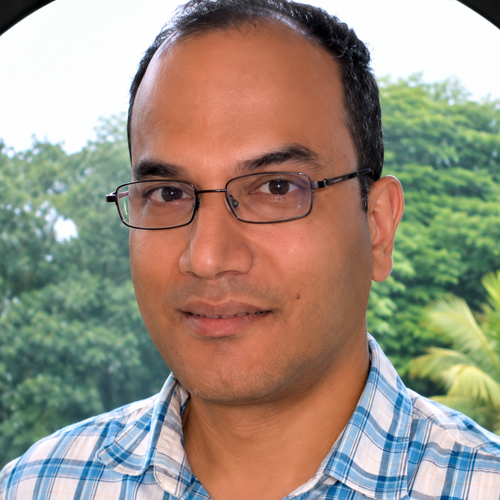
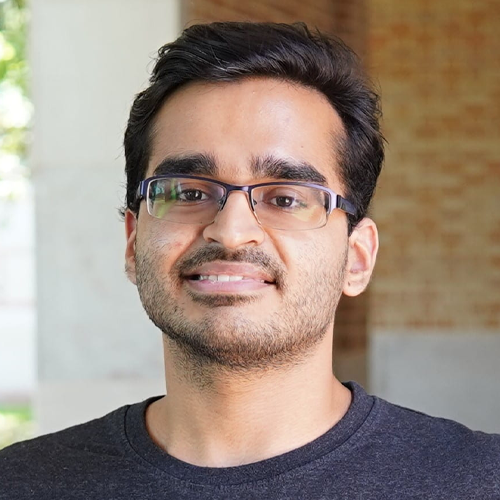
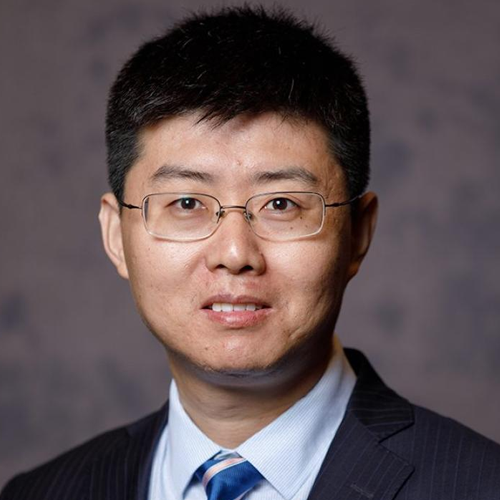
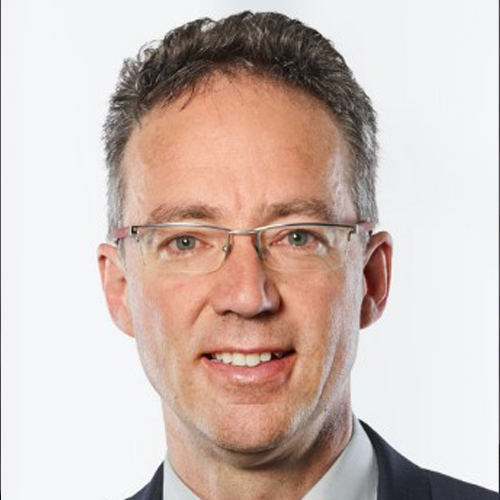
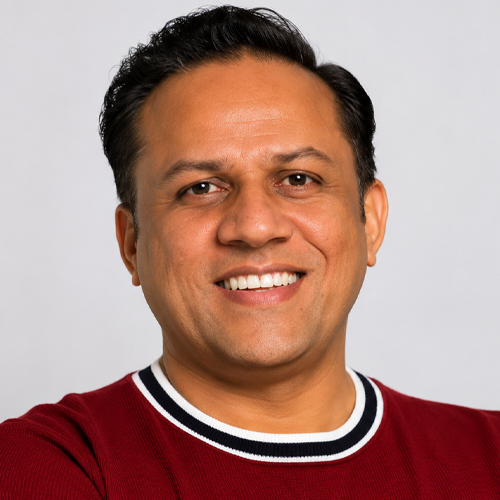
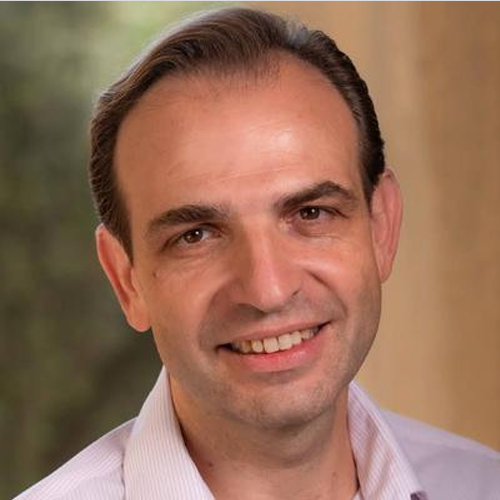
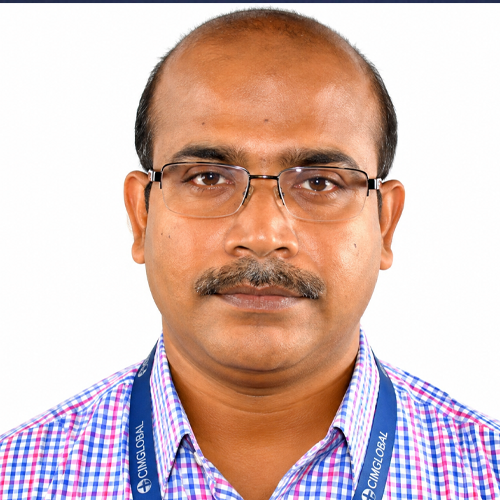
Session Organizer(S): Prof. Abhirup Datta, IIT Indore, Dr.
Sougata
Chatterjee, NCRA-TIFR, Pune, Dr. Somak Bhattacharya, IIT(BHU), Varanasi, Dr.
Raghvendra
Kumar Singh, NSUT, New Delhi

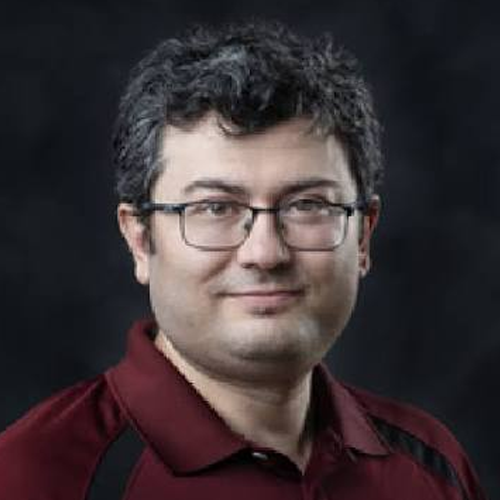
Prof. Abhirup Datta is a senior member of IEEE. Prof. Abhirup Datta is a
Professor at
the Department of Astronomy, Astrophysics and Space Engineering (DAASE), Indian
Institute of Technology (IIT) Indore. He currently serves as the Dean of
Research
and Development at IIT Indore. His research spans a wide array of fields, with
primary expertise in:
Observational Cosmology, including studies of the Dark Ages, Cosmic Dawn, and Epoch
of
Reionization via HI 21cm cosmology; Radio Interferometry techniques, including
imaging,
calibration, and data analysis; Ionospheric science and space weather, leveraging
GNSS,
NaVIC, and low-frequency radio techniques; Machine Learning and Astrostatistics;
Multi-wavelength deep-field radio astronomy and X-ray observations of galaxy
clusters.
He has been a key contributor to several global science collaborations, notably the
Square Kilometre Array (SKA), serving as Co-Chair of the CD/EoR SKA Science Working
Group (2019–2024) and a board member of the SKA CD/EoR Science Team. Prof. Datta has
played a central role in founding the department, and developing multiple academic
programs at IIT Indore, including the M.Sc. (Astronomy), M.S. (Space Sciences and
Engineering), and M.Tech. (Space Engineering). He has also led major institutional
MoUs,
including those with ISRO-SAC and MPCST, and has organized multiple international
conferences and workshops.
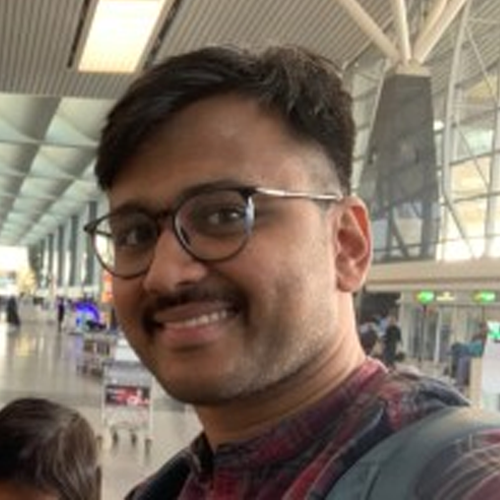
Dr. Sougata Chatterjee is a Senior Engineer at the Giant Metrewave Radio
Telescope
(GMRT) Observatory, NCRA-TIFR, Pune, India. He received his B.Tech. in
Electronics
and Communication Engineering from West Bengal University of Technology, India,
his
M.Tech. in Microwave Engineering from the University of Burdwan, India, and his
Ph.D. in Electronics Engineering from IIT (BHU), Varanasi, India. From 2010 to
2012,
he worked as a Research Scientist at the Society for Applied Microwave
Electronics
Engineering and Research (SAMEER), Kolkata. Since 2012, he has been associated
with
GMRT, where his research focuses on metasurface-enabled microwave and antenna
technologies for radio astronomy and space communications, including
transmitarrays,
folded transmitarrays, bifunctional and filtering antennas, low-noise
amplifiers,
and passive microwave circuits. He has authored nearly 40 research papers in
leading
international journals and conferences, including reputed IEEE publications. Dr.
Chatterjee is a recipient of several prestigious awards, including the IEEE APS
Doctoral Research Grant, OPTIQ 2025 Best Ph.D. Thesis Award, IEEE WAMS 2025 Best
Thesis Award (Runner-up), and IEEE UPCON 2025 Best Thesis Award (Runner-up). He
is a
Senior Member of IEEE, Senior Member of URSI, and Life Member of the Indian
Radio
Science Society (InRaSS).

Dr. Somak Bhattacharyya has received both Bachelor of Technology and Master of
Technology from Institute of Radio Physics and Electronics in University of
Calcutta
in 2006 and 2008, respectively. He is the recipient of university gold medal due
to
securing first position in M.Tech. He received his PhD degree in 2015 from
Indian
Institute of Technology, Kanpur, India.
Since 2016 December, he has been associated with the Department of Electronics
Engineering at Indian Institute of Technology (Banaras Hindu University), Varanasi.
His
current areas of interest lie in metamaterial, metasurface, periodic structures,
opto-microwave devices etc.
Dr. Bhattacharyya has received the prestigious Young Scientist Award from
International
Union of Radio Sciences (URSI) three times. He has been elected as Life Fellow of
OSI,
Fellow of IETE and Associate Fellow of West Bengal Academy of Science and
Technology. He
is the only representative from his country to serve in the Speakers Bureau program
in
IEEE MTT-S. He has been conferred with Outstanding Volunteer Award of 2024 IEEE
MTT-S
R-10, IEEE UP Section Outstanding Section Volunteer Award 2022, IETE Smt. Manorama
Rathore Memorial Award 2022, Innovation Award in Microwave Field-2021 from IEEE
AP/MTT
Joint Chapter Gujrat Section etc.

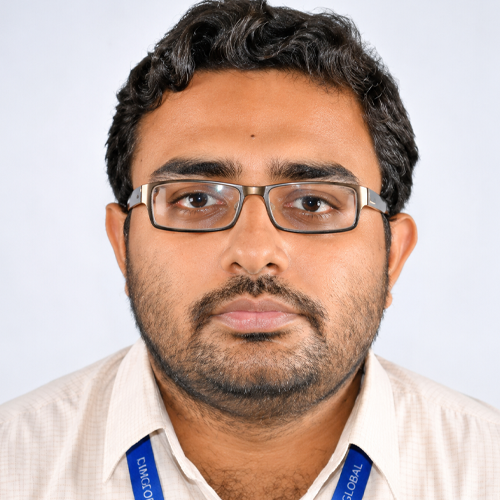
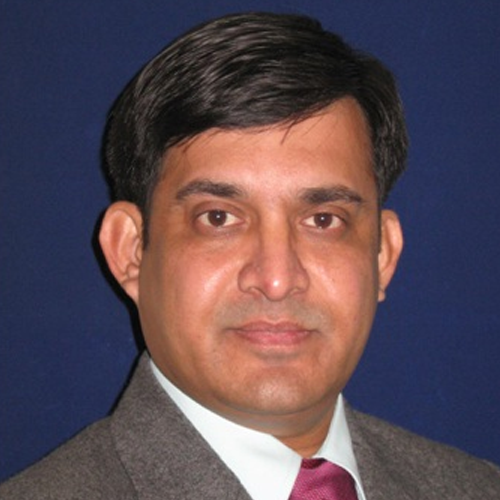
Dr. Raghvenda Kumar Singh is an Assistant Professor in the Department of
Electronics
and Communication Engineering at Netaji Subhas University of Technology (NSUT),
Delhi. He earned his Ph.D. in RF and Microwave Engineering from the Jaypee
Institute
of Information Technology (JIIT), Noida (2018-23) and his M.Tech. in RF and
Microwave Engineering from IIT Roorkee (2012-14) under an MHRD fellowship.
Before
joining NSUT, he served at TMU Moradabad (2014-17) and JIIT Noida (2017-26).
During
his tenure at JIIT, he played a key role in lab development and establishing an
anechoic chamber facility with measurement capability up to 30 GHz, and has been
extensively involved in organizing IEEE conferences, workshops, and technical
events. He received Teaching and Research Excellence Award in the Academic Year
2025-26.
With over 12 years of academic experience, his research spans metamaterial-inspired
antennas, metamaterial absorbers, microwave filters, THz sensors, polarization
converters, MIMO antennas, and frequency selective surfaces. He has authored near 50
research papers in leading international journals and conferences, and contributed
three
book chapters published by Springer Nature. Dr. Singh is a Senior Member of IEEE and
a
member of IEEE AP-S, MTT-S, and EMC-S, as well as a Life Member of IETE and WAMS-S.
He
founded and served as Faculty Advisor of the IEEE MTT-S SBC at JIIT Noida (2024–26),
and
has contributed as an academic editor, session chair, mentor, judge, invited
resource
person, and reviewer for several leading IEEE transactions and journals.